It is a fact that we all experience trauma in our lives. Be it the aggregate effect of life's challenges we all experience or a more serious traumatic event in someone's life, we can all use tools to help us deal with the aftermath of these events. Unfortunately, there is no magic pill, but if you are willing to put in the work, you can definitely improve your ability to navigate the effects of whatever trauma you have experienced.
The aftermath of trauma not only resides in the mind, but in the body as well. The connection between mind and body that martial arts teach has a healing effect. Realizing that you can overcome obstacles on the mat translates to overcoming obstacles more efficiently off the mat. Learning to stay focused and calm as you train enhances your ability to do the same as you face obstacles in everyday life.
You may begin to notice the changes in how you feel if you train regularly and embrace the journey. You will develop tools to deal with the anxious moments and learn to stay calm in the face of adversity. Learning the principles inherent in martial arts, you will see the connection these principles have in everything we do. Being skilled in effective self-defense is certainly empowering but the real benefits come from the discipline and lifestyle impact that regular training inspires.
What the Research Shows
Embodied, holistic treatment is increasingly recognized as important for deeply healing the impact of traumatic stress. Approaches like yoga, dance, expressive arts, and various forms of body work have become part of the clinical conversation over the last decade. The martial arts are gaining traction as a possible option for helping survivors of trauma to heal.
Jiu-Jitsu in particular, when instructed in a trauma-sensitive manner, has been recognized by mental health professionals as uniquely suited as a healing art. The practice of taking on different shapes, of experimenting with new ways of interacting with others and navigating challenges, can be powerful medicine for those dealing with the effects of unhealed trauma.
Traumas of all kinds can leave survivors feeling rigid or inflexible about how they feel or how they see the world. Any practice that can healthfully teach a trauma survivor to become more flexible in both body and mind has the potential to assist in their overall recovery.
Our Approach
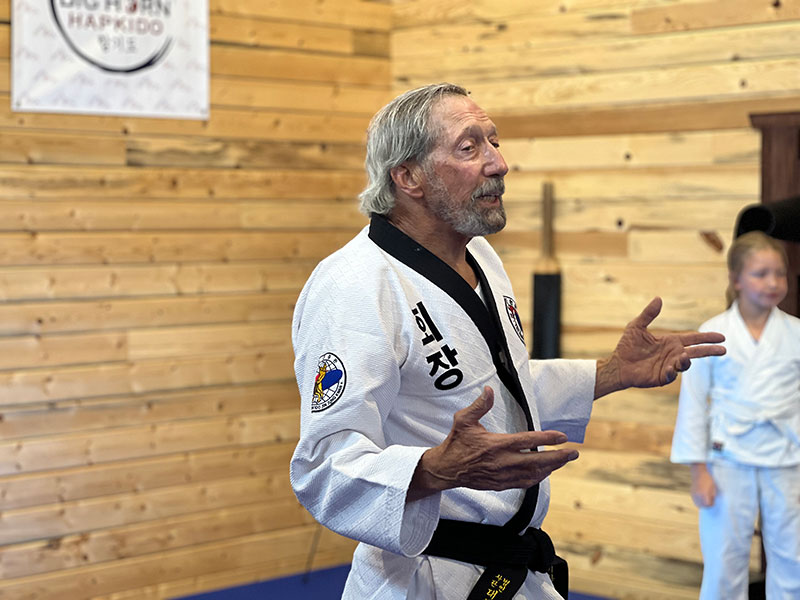
Creating a safe and fun environment as I teach martial arts is of the utmost importance to me. I want my students to progress in the ways they approach their lives as well as learning a self-defense system. I not only teach techniques but also the principles that martial arts exemplify that translate to all aspects of our lives.
I try to learn each of my students' condition and level of trauma to adjust my training to ensure that they feel safe and are having fun on the healing journey that can be theirs.
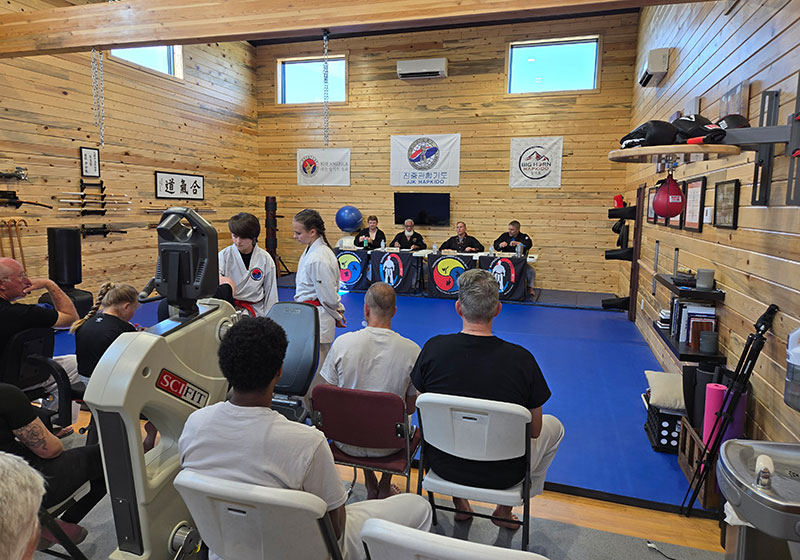
It is the goal of Big Horn Hapkido to enrich a student through the principles we teach and to arm them with a Warrior Spirit that empowers and instills confidence as they navigate their future.
If you feel martial art training could benefit you, please contact us for a consultation and join us as we strive for well-being.